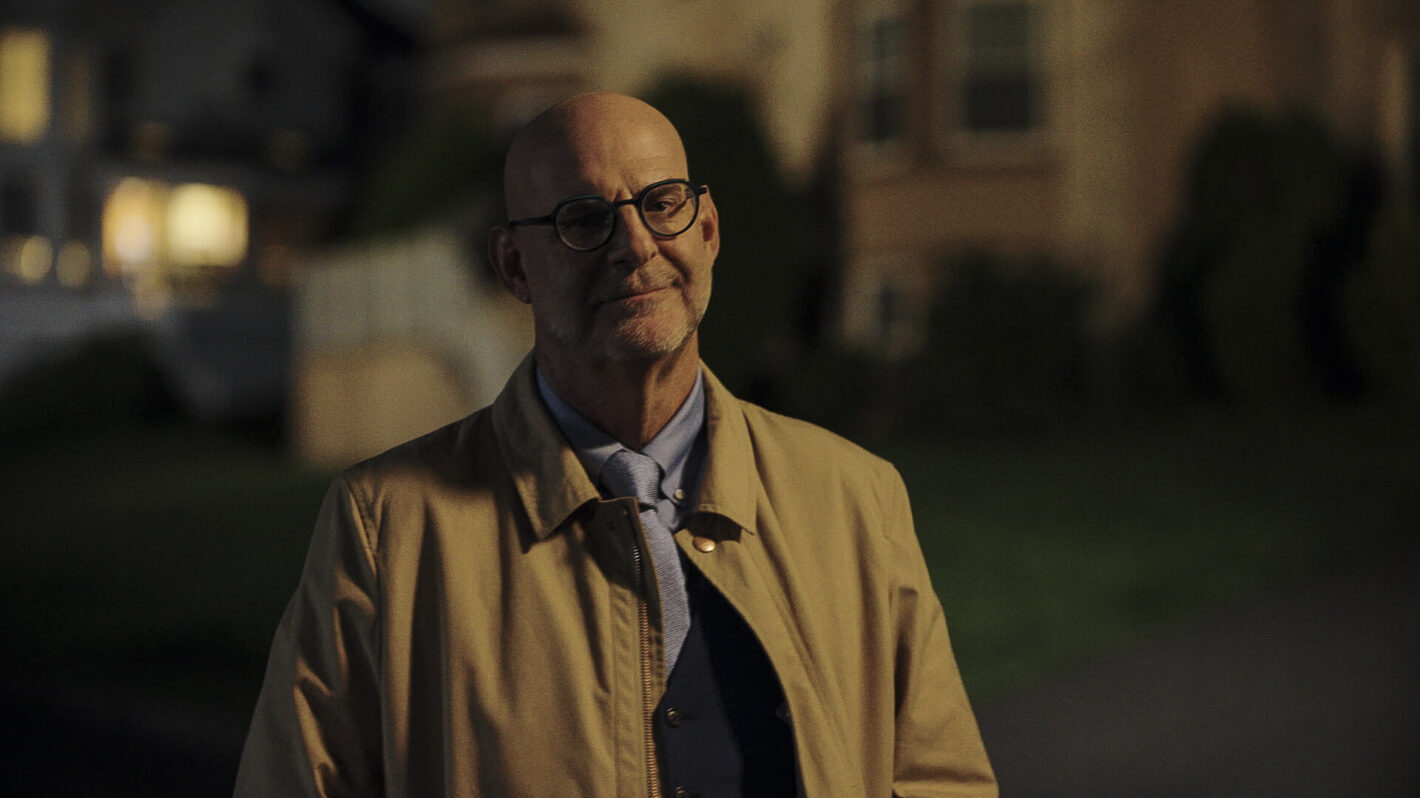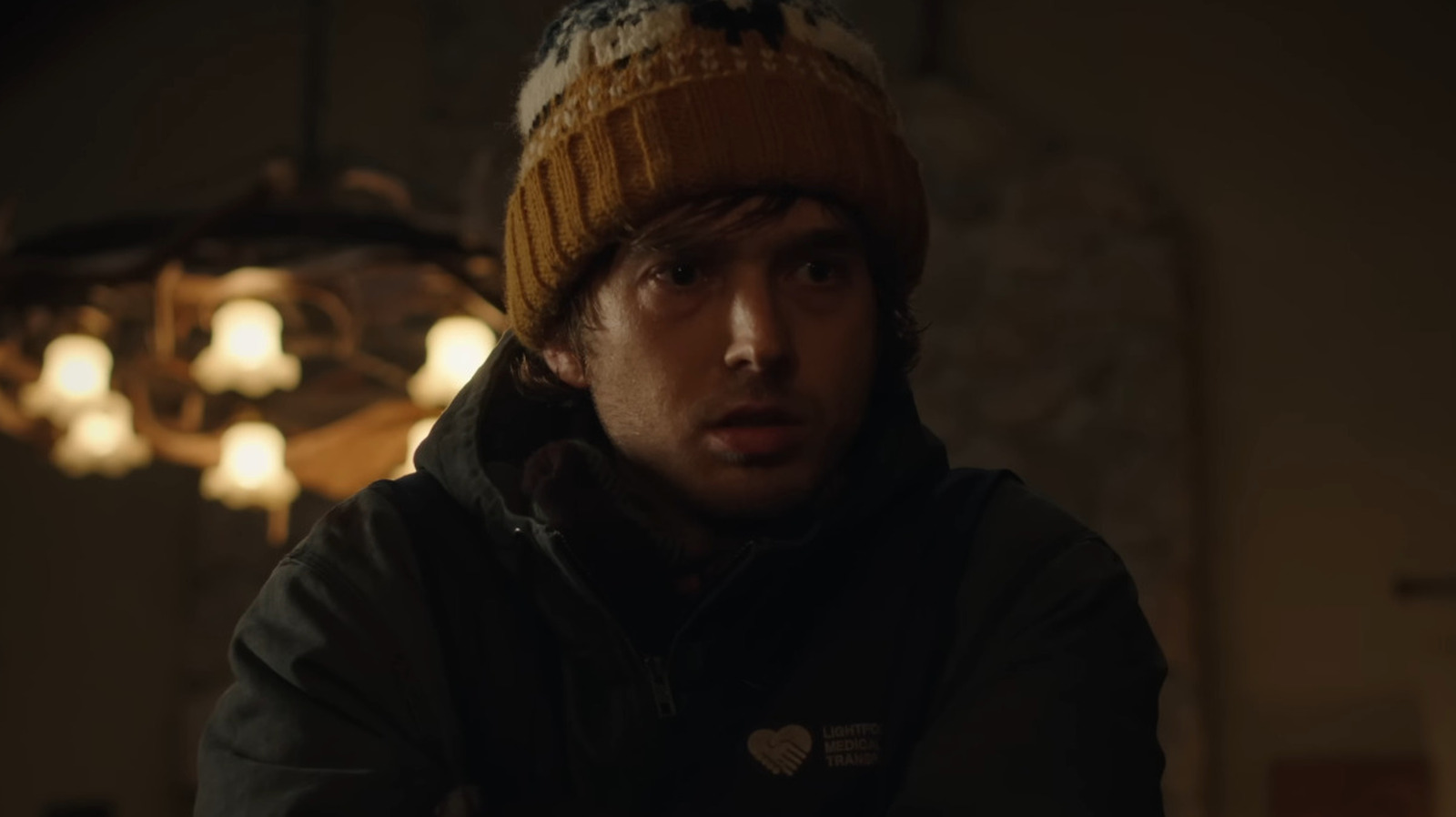









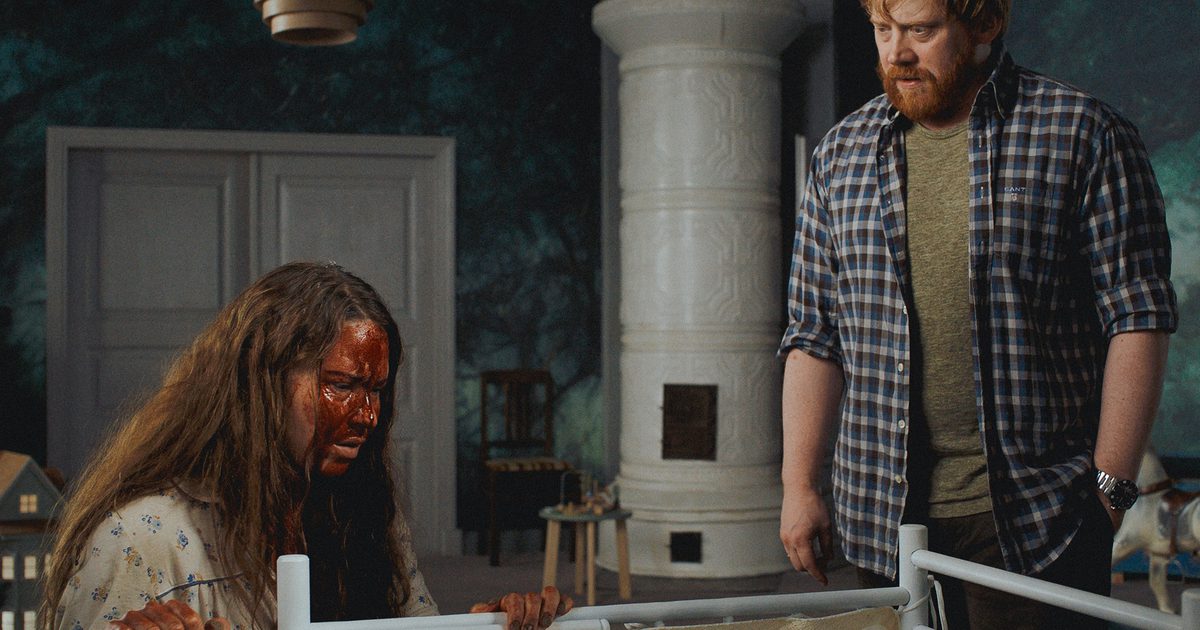

































Barely out of his twenties, Lance Oppenheim has already established himself as something of a moving image renaissance man. With documentaries, shorts, music videos and more under his belt, he turns his hand to dramatic fiction with Primetime, a portrait of American TV presenter Chris Hansen (played with oily precision by Robert Pattinson) who was responsible for the ratings behemoth, To Catch a Predator, in which potential sex offenders are caught in the act.
LWLies: You would have been eight when To Catch a Predator started. I’m curious what place Chris Hansen occupied in your cultural consciousness?
Get more Little White Lies
Oppenheim: It’s a long story, but I’m gonna try and make it really short. I discovered the show through South Park and, of course, through eBaum’s World. I was obsessed with this sketch group, The Human Giant. There’s a lot of great comics and comedy directors that worked on it. And Mad TV, where Jordan Peele plays a Predator and I forget who plays Chris Hansen in it. But anyway, I kept seeing all of these imitations of To Catch a Predator, but I didn’t really understand what I was seeing. I think it wasn’t until I was in middle school when the show was off air that I discovered that I had actually watched the show, and I started to understand why people were so obsessed with it.
What were your initial impressions of Hansen?
I thought Chris Hansen – at least in my child brain version of him – was like a superhero. He reminded me of Tony Montana in Scarface with his catchphrases and one-liners, and there was something so epic about the way he would enter these rooms and essentially have this superhuman ability to dismantle someone’s life with cameras. And not only that, I guess I just was so fascinated by like the theatricality of it and how it almost, like an adult actor pretending to be a child, hovering in the background as a man is like crying and realising that his life is effectively over. So there was something that I was confused about as a kid. I remember thinking, is this like MTV’s Punk’d? Did it feel like it would belong there? Or was it like a news programme? Or was it like a circus where Chris Hansen was the ringleader? There was something very carnivalesque about the whole thing. And yeah, I guess it stuck with me for a really long time.
Although Chris Hansen is at the centre of the story, Primetime also explores this moral terrain from multiple perspectives, including an actor and producer on To Catch a Predator.
I think one of the reasons the show was so successful was because it’s like, encoded in our DNA. For as long as human civilisation has existed, there was always like a pillory, there was always a whipping post, and there was always a person that was doling out the lashes. The thing that’s that’s different about it is they are commercialising it and turning it into entertainment. And I thought it would be interesting, from a cinematic point of view just to attempt to turn this vision of justice into a performance.
The thing I find so fascinating about To Catch a Predator within a contemporary milieu is that, at the same time as this is out there, Chris Hansen still has this huge fan base.
I’m very aware that these people are on Reddit – they’re out there, they’re in the comments and very adamant about how much of a hero Chris Hansen is. But at the same time, TikTok is full of child exploitation that is accepted. It’s people monetising their children. The cognitive dissonance in society regarding what the best way is to protect children and the best way to call out child predators is fascinating, and I think a lot of that is to do with the boundary between justice and the law. The line between criminal enterprise and entertainment has become so fragile. It started many, many years ago, from the birth of live television. This has become an industry within itself. I think that that’s part of the reason Primetime is arriving at an interesting moment. There’s still a conversation that people don’t really know how to have, because, yeah, fundamentally Chris Hansen’s mission is a noble one. But when you’re asking, how, every week do we beat that? How do we build on that? How do we get more viewers every week? It’s like inevitably you have to scale with these things. And that’s where the darkness is.
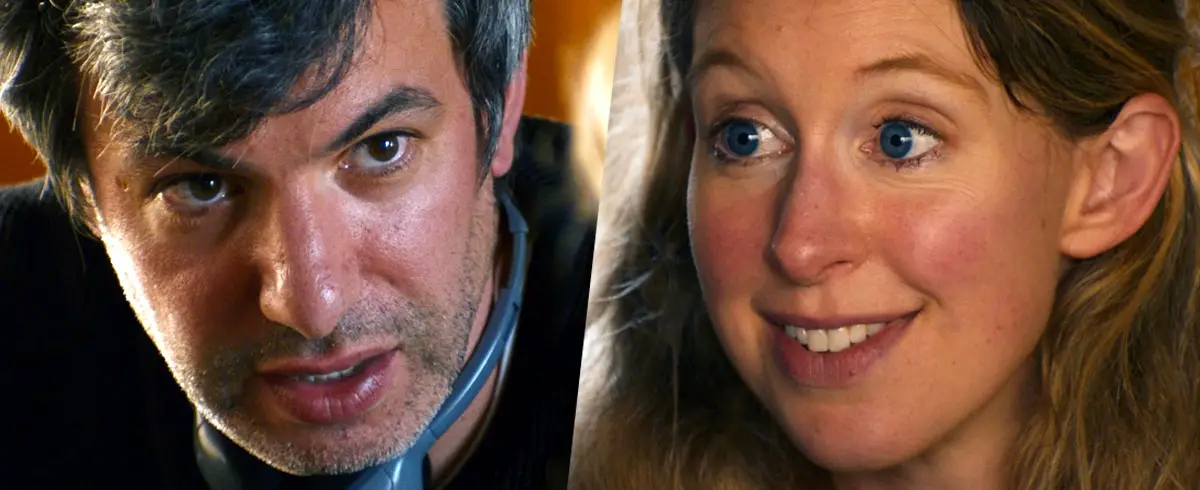
In Primetime, we see these people that have built very, very controlled environments where they’re able to thrive, and then we’re waiting for all that to collapse in on itself. Which leads to Elizabeth Holmes and the other film you’ve made, You Can See Everything. It feels like there is a thematic overlap.
Well, it’s funny. I mean, so You Can See Everything started four years ago. It had been going on for a really long time. Primetime came midway through.
Oh wow, so you were already deep in it by then?
I was deep into You Can See Everything for years. Nathan Fielder, myself, David Boland who shot Primetime, Ari Balouzian, my composer who did Some Kind of Heaven, Spermworld, Ren Faire, Primetime. Christian Vasquez, my producer… The same crew essentially was making both films at the same time, but we started You Can See Everything years ago. We started it while I was in the edit on Ren Faire and Spermworld. So it’s been happening for forever. But it’s a very different thing. It’s one of those movies where the more I say anything about it or skew your perception of it, the more it will become a less fun experience. And I still haven’t really made up my mind about what the film is, what actually happened there. Nathan and I will always have different opinions about different moments, which is why we felt like it was really strong. But the experience of constructing and filming that movie was different to anything else I’ve done.
For Nathan and I it was very important to us that You Can See Everything was the closest thing that either of us had ever made to a very rigorous documentary, just like going back to the original tenets of documentary filmmaking. It was us trying to make something that really felt like a hopefully a verité film like Frederick Wiseman would make, Salesman by the Maysles brothers… there’s a lot of movies we would talk about. A lot. It was also one of those things, too, where you can’t really have any references for what was going on. We just had to be curious and respond to things happening.