




































What To Know
- Eric Shawn, a Fox News Senior Correspondent who reported from Ground Zero on 9/11, continues to cover its legacy 25 years later.
- Shawn has suffered from multiple health issues, including cancer, linked to toxic exposure at Ground Zero, highlighting the growing number of people affected by 9/11-related illnesses.
- He emphasizes the importance of ongoing remembrance and reporting on 9/11.
Eric Shawn will never forget September 11, 2001 for a number of reasons. The Fox News Senior Correspondent reported from Ground Zero and will do the same 25 years later as part of the network’s multiplatform slate of programming throughout the week.
The 69-year-old veteran has been in war zones, covered presidential campaigns, shootings, and bombings. However, 9/11 remains etched in his memories. The harrowing visuals and distinct smells as the tragic story unfolded before his very eyes minute by minute, hour by hour. Shawn was not only affected mentally, but even revealed to audiences last year that he’d been battling cancer linked to the toxic exposure while in the field after the Twin Towers fell at the World Trade Center. In New York City.
Ahead of the 25-year-old milestone, the veteran journalist looks back on that tragic day and how so many remain affected.
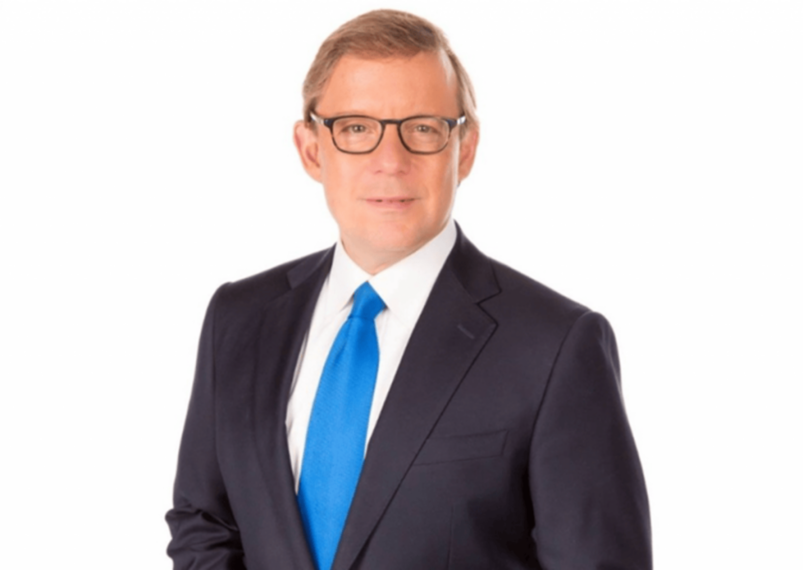
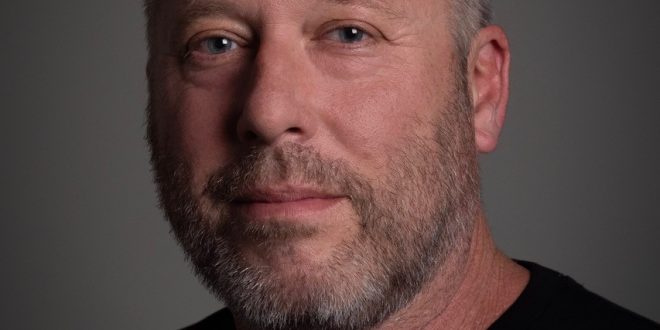
Eric Shawn (Fox News)
How do you feel about this year’s 9/11 day of remembrance?
Eric Shawn: The 25th anniversary for some reason feels a bit more for me than any other one. I think it’s such a milestone and mark, even though 25 years have passed, it still seems like not one day has gone by. The first plane, American Airlines Flight 11 [hijacked by] Mohamed Atta flew over my head that morning. That image is forever seared in my memory, the whole experience and the shock and horror of that day… of going down that night and reporting for weeks and weeks at Ground Zero.
I recall the smell, the acrid metal smoke, the incredibly shocking fact the Towers fell. I also recall the first few days there was always hope that people would be pulled out of the rubble. I remember thinking, “Of course, there would be survivors.” There weren’t, except for a few people under the survivor staircase where they were protected. The overwhelming realization that people were not going to be saved and that nobody would be saved. All that comes up and I’m revisiting this one now with the 25th anniversary. So this is a pretty difficult one.
What was it like reporting in the years since? Did this work reaffirm the importance of your job? Or were there points where you thought maybe I should be doing another line of work because of the horror that unfolded?
No, not at all. Not with that. I go live every September 11. We start live shots at six in the morning, and it’s always deeply meaningful because Fox News is a platform for me to be able to report some of the important issues that the country should not forget like national security, the fact I believe our government could have stopped the attack with all the evidence, all the government had that was ignored. The importance of the threat that continues today of radical Islamic terrorists. The growing number of people who are coming down with illnesses that are 9/11 related sicknesses.
There are 63,000 people now who have been diagnosed with cancer and 9/11 related illnesses. There are at least 400,000 people who have been affected so far. These growing numbers, I think that is another legacy for 9/11. I think as a reporter it’s important to remind our viewers as 9/11 recedes into history that for all of us who experienced that day 9/11 was one day, but 9/11 stays with us every day. Especially for the people now who are getting sick and the deaths that are growing. More people have died from 9/11 related cancers and illnesses that were killed on that day. I think that is sad and tragic and an increasing and growing legacy of what happened.

Eric Shawn (Fox News)
Talk about your decision to share your cancer diagnosis on the air last year and the response you received from it.
Let me start from the beginning. In 2001, that morning the plane went over my head, and it was really loud and kind of sloppy and the jet was going to the right. And then I saw it turn, and it was headed toward the World Trade Center. Then the plane disappeared over the building line. It’s a [primary election day] in New York City. I went around the corner where local stations were at a sort of headquarters. I had been a local reporter for decades in New York City. I knew the crew guys, and they were like, “A plane hit the World Trade Center.” I thought, “Oh my God”.. You could see it on the screen. I ran to the box and on the screen. The thought was maybe it was a small plane lost in the sun. I ran down to the assignment desk and said “No. I saw the plane fly over my head.” It’s an airliner like a 747. I went on the air with Jon Scott. I went down to the site that night for a 12-hour shift. At first we did not have masks. We got painter’s masks the next day. Then we got better masks, but the dust was overwhelming. By November, I had an uncontrollable cough. I went to the doctor, and he said, “You have the World Trade Center cough.” That is what they called it. I figured it would go away. No, the World Trade Center cough is actually acute bronchitis, and I’ve suffered from that since 2001.
Sometimes it has kept me off the air. I know when it starts. I had an attack earlier this year. I had Prednisone, Z-Pak, albuterol, and Singulair, and you have to get it early or it won’t stop. One time I remember I was reporting and I couldn’t talk. I was coughing and then you lost your voice. I went to get a shot of Prednisone that is done on your rear end. I had a day or two later an appearance and reporting on the news channel in primetime, and I coughed and lost my voice and had to get another shot. Within 72 hours I had two Prednisone shots. The doctor said, “You can’t have more than two a year.” Then the gastroesophageal reflux that was very common a few years back and had that for a long time and hadn’t had those symptoms for a while. Then there is asthma. That is very common. I was told I have all the markings for asthma, but I don’t have asthma.
Some of these symptoms are weird and come and go. I had my annual physical and the PSA protein level that measures potential prostate cancer was really high. They thought it was a fluke. They took it again, and it was even higher. Then they took it again. Accelerating PSA is an indication of aggressive prostate cancer. That is what they thought I had. The biopsies came back and I have the highest level of highly probable. It’s called active surveillance for prostate cancer where I go for three months for blood tests, all these scans. The lesson for that is you have to go to the doctor every year to catch things.
What’s your prognosis now?
Luckily for me, it’s under control. I’m in great hands and waiting for the next biopsy at the end of the year. Then I was diagnosed with skin cancer, the two most common cancers are skin cancer and prostate cancer from 9/11. I consider myself fortunate. I think my message is for all the other people who have succumbed to cancers who are sick and ill now that’s my focus. That’s why I mentioned it on the air. We were having a conversation about 50,000 at the time before it was 63,000. I think there is not enough of a realization. I didn’t know there were 50,000 people who had been diagnosed with 9/11 related cancers. I don’t think there is enough of a realization that is a new and growing legacy of that day.
How do you think 9/11 would have been covered had it happened today?
I think today there would be a lot more cell phone videos. We’ve seen still photos, but if it happened today, we’d have an avalanche of cell phones, videos and photos from inside. I think we would have seen more about the drama and the heroism of what happened inside the Towers. We had cell phones then, but they are really common now. People would even be streaming live. I think of technology today because it happened in real time on television. I don’t think there has been a terrorist attack that happened in real time on television like this. Pearl Harbor wasn’t seen by the country in real time. This was a catastrophe that played out in real time. I think that really brought the country together and also gave it a dimension of reality we’ve never had before. I think that’s really important. People around the world were able to share this sadly in real time. It gave it a greater impact. Today with more technology there would be so much more out there with social media.
You’re turning 70 next year. How do you look at your career? What’s your future in news?
Hey, Mike Wallace went into his 90s. No, I’m feeling good and fine. I think as long as we have stories to tell, we can keep going. I still have stories to tell in a variety of ways and also for my career what is new and exciting to me are the documentaries on Fox Nation. I have had two dozen shows in the past few years on Fox Nation and breaking news reports. I feel good.
Fox News 9/11 coverage runs through the week starting with Fox & Friends